192.168.8.254 Router Login & Setup Guide
Managing your router settings is an important part of maintaining a secure and reliable internet connection. Many routers use 192.168.8.254 as their default gateway address, allowing users to access the router’s administration panel through a web browser. Once logged in, you can change WiFi passwords, update network security settings, manage connected devices, and customize your internet configuration according to your needs.
What Is 192.168.8.254?
192.168.8.254 is a private IPv4 address commonly used by routers, modems, wireless gateways, and other networking devices. Private IP addresses are reserved for local networks and cannot be accessed directly from the public internet. Their main purpose is to allow devices within the same network to communicate with each other efficiently.
192.168.8.254 Router Login
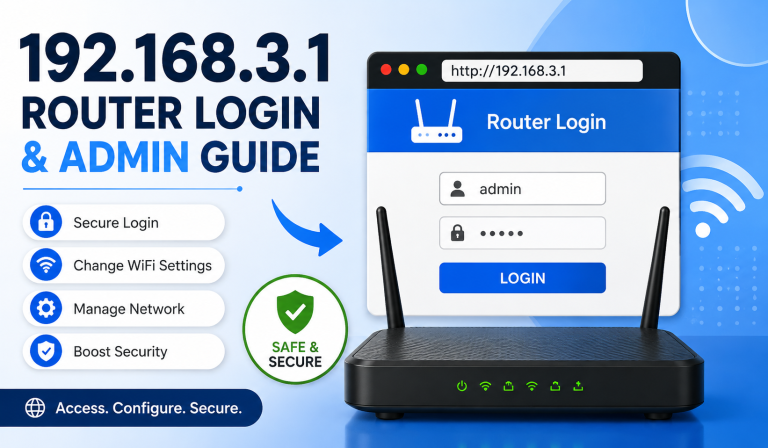
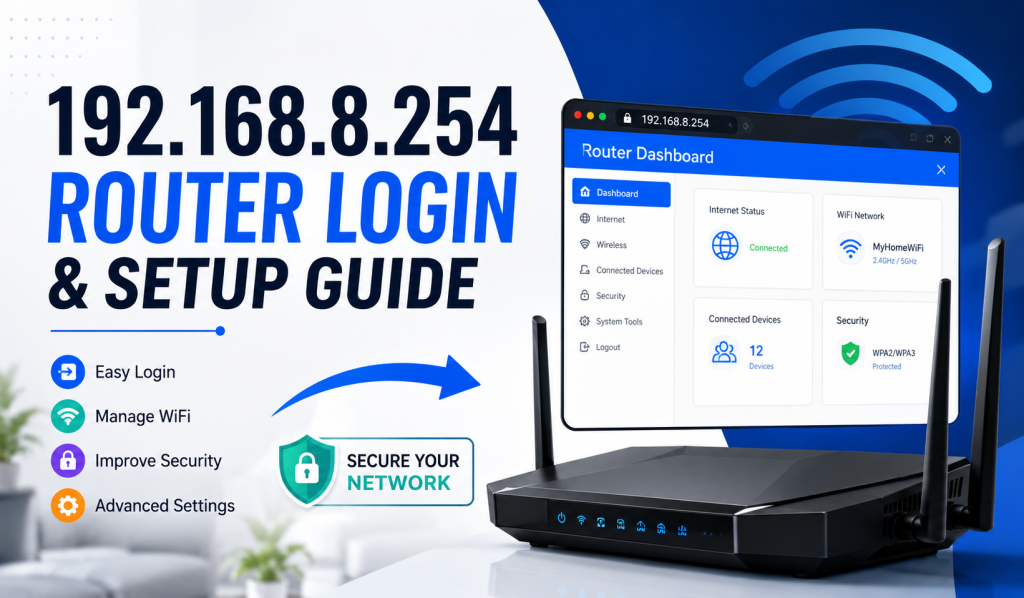
Login AdminWhen a router uses 192.168.8.254 as its default gateway, users can enter the address into a web browser to access the router’s management panel. Through this interface, administrators can configure wireless settings, change passwords, update firmware, monitor connected devices, and improve network security.
How to Access 192.168.8.254 Login Page
Accessing the router login page is usually a straightforward process. Follow these steps carefully to reach the router’s administration panel.
- Connect to the Router: Make sure your computer, laptop, tablet, or smartphone is connected to the router. You can use either a WiFi connection or an Ethernet cable for a more stable connection.
- Open a Web Browser: Launch your preferred web browser such as Chrome, Firefox, Edge, or Safari. Any modern browser can be used to access router settings.
- Enter the IP Address: Type 192.168.8.254 into the browser’s address bar and press Enter. Be sure not to enter it into a search engine because it must be opened directly.
- Wait for the Login Page: The router’s login page should appear within a few seconds. If it does not load, verify that your device is connected to the correct network.
- Enter Login Credentials: Enter the router’s username and password. These credentials may be printed on the router label or provided in the user manual.
- Access the Admin Dashboard: After entering the correct login details, click the Login button. You will be redirected to the router dashboard where all settings can be managed.
Default Username and Password for 192.168.8.254
Different router manufacturers use different default login credentials. If you have never changed the login information, one of the following combinations may work.
- Most routers include default login information on a sticker located on the back or bottom of the device.
- The most common username is “admin” and many routers also use “admin” as the default password.
- Some manufacturers use passwords such as “password”, “1234”, or leave the password field blank.
- The router manual often contains the factory login details and instructions for accessing the management interface.
- If the credentials are unavailable, visit the manufacturer’s support page for model-specific information.
- If the password has been changed and forgotten, performing a factory reset will restore the default login credentials.
How to Login Using a Mobile Phone
You do not need a computer to access your router settings. Modern smartphones can easily open the router administration page.
- Connect to the Router: Ensure your Android phone or iPhone is connected to the router’s WiFi network before attempting to access the admin page.
- Open Your Browser: Launch a web browser such as Chrome, Safari, Firefox, or any browser installed on your smartphone.
- Enter the Router Address: Type 192.168.8.254 into the browser address bar and tap Go or Enter to load the login page.
- Enter Login Information: Provide the correct administrator username and password associated with your router to continue.
- Access Router Settings: Once logged in, the mobile-friendly dashboard will allow you to manage wireless and security settings.
- Save Any Changes: After updating settings, tap Save or Apply to ensure your modifications are successfully stored.
How to Change WiFi Password
Changing your WiFi password regularly is one of the easiest ways to improve network security. A strong password helps prevent unauthorized users from accessing your internet connection and protects your personal data from potential threats.
- Open a browser, enter 192.168.8.254, and sign in using the administrator username and password associated with your router.
- Navigate to the Wireless, WiFi, WLAN, or Network Settings section where the wireless configuration options are available.
- Find the WiFi Password, Wireless Key, or Security Key field that contains the current network password.
- Create a strong password using a combination of uppercase letters, lowercase letters, numbers, and special characters.
- Click Save or Apply to store the new password settings and allow the router to update.
- All previously connected devices will disconnect and must reconnect using the newly created WiFi password.
How to Change WiFi Name (SSID)
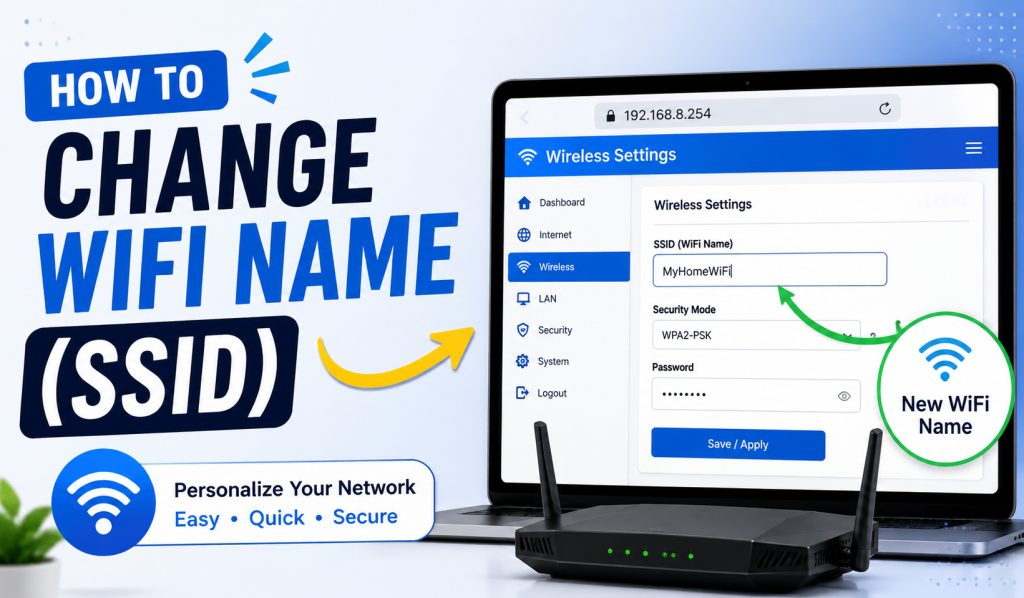
The WiFi name, also known as the SSID (Service Set Identifier), is the name that appears when users search for available wireless networks. Changing the default network name helps personalize your network and makes it easier to identify among nearby connections.
- Open the router login page and sign in using the administrator credentials.
- Navigate to the Wireless Settings section where WiFi configuration options are available.
- Locate the field labeled SSID, Network Name, Wireless Name, or WiFi Name.
- Choose a unique and recognizable name that helps identify your wireless network.
- Click the Save or Apply button to update the wireless network name.
- Search for the newly renamed network and reconnect your devices if required.
Changing the SSID does not affect internet connectivity, but it can make your network easier to recognize and manage.
Common 192.168.8.254 Login Problems and Fixes
Sometimes users experience difficulties while trying to access the router administration page. Most issues can be resolved with a few simple troubleshooting steps.
Incorrect IP Address
One of the most common problems occurs when the router uses a different gateway address. Some routers may use addresses such as 192.168.1.1, 192.168.0.1, or 10.0.0.1 instead.
Solution: Check the Default Gateway address through your device’s network settings.
Wrong Username or Password
Login failures often occur because the administrator password has been changed from the factory default settings.
Solution: Check the router label, user manual, or perform a factory reset if the credentials are forgotten.
Device Not Connected to the Router
The login page can only be accessed from a device connected to the router’s network.
Solution: Verify that your device is connected through WiFi or Ethernet before attempting to log in.
Browser Problems
Sometimes browser cache files or extensions interfere with the login page.
Solution: Clear the browser cache, disable unnecessary extensions, or try a different browser.
Router Not Responding
A router may become temporarily unresponsive due to software glitches or network issues.
Solution: Restart the router and wait a few minutes before attempting to access the login page again.
Public IP vs Private IP
Many users confuse public and private IP addresses, but they serve different purposes within a network.
A private IP address is used inside a local network. Devices such as computers, smartphones, printers, and routers communicate with each other using private IP addresses. These addresses are not accessible directly from the internet.
A public IP address is assigned by an internet service provider and is visible on the internet. It identifies your network when communicating with websites and online services.
Final Thoughts
192.168.8.254 is a commonly used private IP address that allows users to access and manage router settings. Through the router administration panel, you can change WiFi passwords, update network names, improve security settings, monitor connected devices, and troubleshoot connection issues.
Understanding how to access and use the router dashboard can help keep your network secure, organized, and running efficiently. If you experience login problems, checking your connection, verifying credentials, or resetting the router can usually resolve the issue.