10.0.0.2 Router Login & Admin Setup Guide
The 10.0.0.2 login page is used to access router settings and manage different network functions. Many routers and networking devices use private IP addresses to provide access to their administration panel, and 10.0.0.2 is one of the addresses commonly assigned within local networks. By opening the router login page, users can change WiFi settings, update passwords, manage connected devices, and improve network security.
Whether you are setting up a new router, troubleshooting connection problems, or simply updating wireless settings, accessing the router dashboard gives you full control over your network.
What Is 10.0.0.2?
10.0.0.2 is a private IPv4 address that belongs to the 10.0.0.0/8 private IP range reserved for internal networks. Unlike public IP addresses, private addresses are not accessible directly from the internet. They are used inside homes, offices, schools, and businesses for local communication between devices.
Many routers assign 10.0.0.2 to devices connected to the network through DHCP, while some networking equipment may use it as part of their management configuration. Since private IP addresses help organize network traffic and device communication, they play an important role in maintaining stable and secure network operations.
Is 10.0.0.2 a Router Login IP?
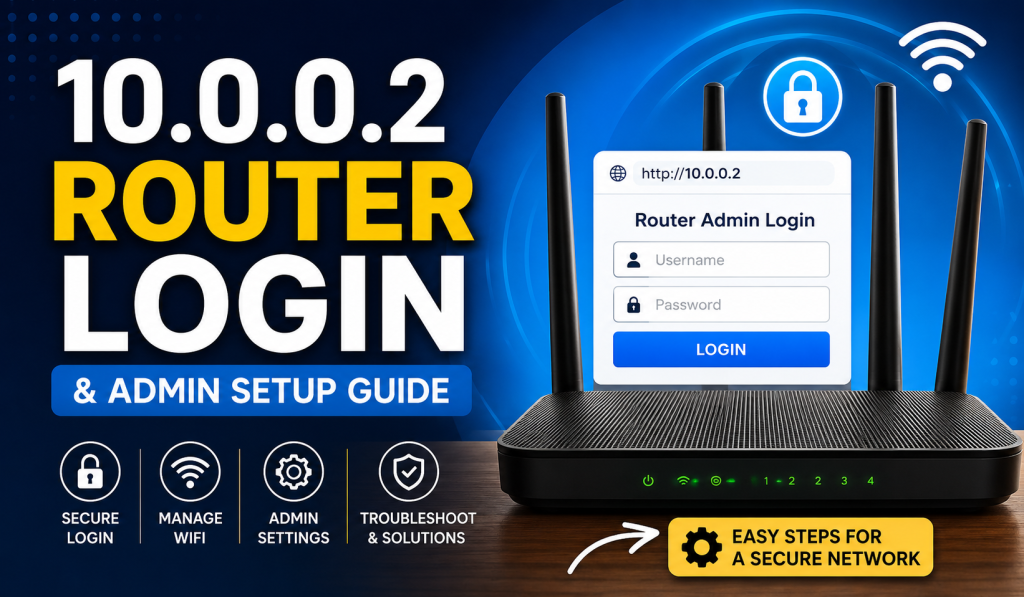
Yes, in some network configurations, 10.0.0.2 may be used for router administration or device management. However, not every router uses this address as its default gateway. Different manufacturers assign different private IP addresses to their devices.
If your router uses 10.0.0.2, entering the address into a web browser may open the administration panel where network settings can be modified. Through this interface, users can manage WiFi networks, change passwords, configure security settings, and monitor connected devices.
Before attempting to log in, it is important to confirm that 10.0.0.2 is actually being used by your router. Checking your default gateway address on your device is the easiest way to verify this information.
How to Access the 10.0.0.2 Login Page
Accessing the login page is a straightforward process. Make sure your device is connected to the router before starting.
- Connect your computer, smartphone, or tablet to the router using WiFi or an Ethernet cable.
- Launch any browser such as Chrome, Firefox, Edge, or Safari.
- Type 10.0.0.2 into the browser’s address bar and press Enter.
- The router login page should appear within a few seconds.
- Input the administrator username and password provided by your router manufacturer.
- After successful authentication, the router administration panel will open and display available settings.
Default Username and Password for 10.0.0.2
Most routers require administrator credentials before allowing access to settings. The exact login details vary depending on the manufacturer and model.
| Username | Password |
|---|---|
| admin | admin |
| admin | password |
| admin | zoomadsl |
| zoomadsl | admin |
| admin | epicrouter |
| root | root |
If these credentials do not work, check the label attached to the router. Many manufacturers print the default username and password directly on the device.
How to Find Your Router’s IP Address
Sometimes users assume their router uses a specific IP address when it actually uses another one. The easiest solution is to check the default gateway.
- Click the Start button on your computer.
- Search for Command Prompt and open it.
- Type ipconfig and press Enter.
- Look for the section associated with your active network connection.
- Locate the line labeled Default Gateway.
- The displayed address is typically your router’s management IP address.
Mobile users can also find this information through WiFi settings, where the gateway address is usually displayed alongside network details.
How to Change WiFi Name (SSID)
Changing the WiFi name makes your network easier to identify and helps personalize your wireless connection.
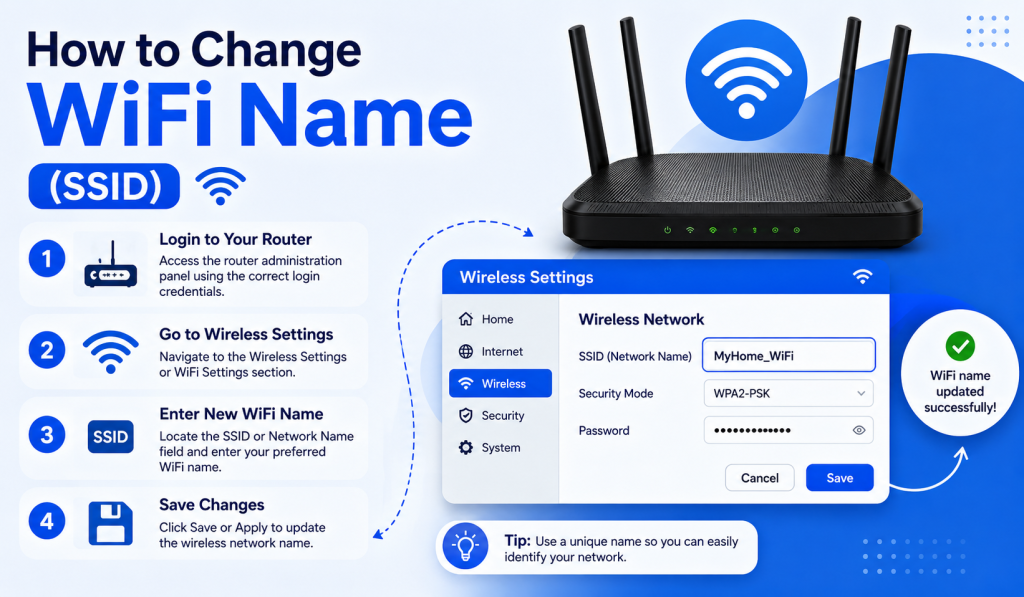
- Access the router administration panel using the correct login credentials.
- Navigate to the Wireless Settings or WiFi Settings section.
- Locate the SSID or Network Name field and enter your preferred WiFi name.
- Click Save or Apply to update the wireless network name.
After the change is applied, reconnect your devices using the updated network name if necessary.
Common 10.0.0.2 Login Problems and Solutions
Users occasionally experience issues while trying to access router settings. Fortunately, most problems can be solved quickly.
1. Login Page Not Opening
Ensure the device is connected to the correct network and verify the IP address.
Solution: Confirm the default gateway address and try again.
2. Incorrect Username or Password
Login credentials may have been changed previously.
Solution: Use updated credentials or perform a factory reset.
3. Browser Displays an Error
Browser cache and cookies can sometimes interfere with router access.
Solution: Clear browser data or use another browser.
4. Weak Network Connection
Poor connectivity may prevent communication with the router.
Solution: Move closer to the router or use an Ethernet cable.
5. Router Not Responding
The router may be frozen or overloaded.
Solution: Restart the router and wait for it to fully reboot.
Popular Router Brands That May Use 10.0.0.2
Several networking manufacturers have used 10.0.0.2 in various router and gateway configurations.
Common examples include:
- Zoom
- Gemtek
- Bec Technologies
- Jaht Technologies
- Wireless Gateway Devices
- Business Network Equipment
Keep in mind that even within the same brand, different models may use different default IP addresses. Always verify your device’s gateway address before attempting to log in.
Final Thoughts
The 10.0.0.2 address is an important part of many local networks and can provide access to router management features when supported by the device. Through the router administration panel, users can modify WiFi settings, update passwords, improve security, manage connected devices, and troubleshoot network problems.