
10.0.0.1 IP
The IP address 10.0.0.1 allows users to access their router’s admin panel to change Wi-Fi passwords, update network names, manage connected devices, and improve security settings. It’s the key to customizing your home network for a safer, faster, and more reliable internet experience.
The IP address 10.0.0.1 is a private gateway used by popular router brands such as Xfinity, Cisco, and LPB Piso WiFi to access their admin control panel. It serves as the main hub for managing your home or office network, where you can change your Wi-Fi password, edit the network name (SSID), monitor connected devices, and strengthen your security settings.
Simply type http://10.0.0.1 into your browser to log in and personalize your connection. Understanding how it works helps you maintain faster speeds and a more secure internet experience.
Top Router Login Addresses
What Is 10.0.0.1 and Why It Matters
If you have ever wanted to change your Wi-Fi password, adjust your router name, or block unwanted users, you’ve likely seen the IP 10.0.0.1. This private IP address acts like a doorway between your device and your router.
It’s commonly used by well-known brands such as Xfinity (Comcast), Cisco, Technicolor, and LPB Piso WiFi to access the admin control panel.
In simple words, It is your router’s login address. It lets you control everything that happens on your Wi-Fi network — from password protection to connected devices and advanced settings.
Common Router Brands That Use 10.0.0.1
Different manufacturers set different default IPs. However, many choose 10.0.0.1 because it’s simple and secure for internal network control.
Here’s a quick list of router brands and their default credentials:
| Brand | Username | Password |
|---|---|---|
| Xfinity (Comcast) | admin | password |
| LPB Piso WiFi | admin | admin |
| Cisco | cisco | cisco |
| Technicolor | admin | password |
| Aztech | admin | password |
| Intelbras | admin | admin |
| Arris | cusadmin | highspeed |
| Huawei | admin | admin |
How to Log in to Your Router via 10.0.0.1
Logging in to your router is easier than you might think. You just need to be connected to the router’s Wi-Fi or plugged in with an Ethernet cable.
Here’s how to do it naturally and safely:
From here, you can manage every aspect of your network — Wi-Fi password, device access, parental controls, and much more.
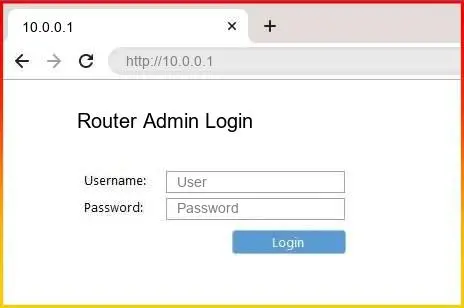
Important: Always change the default admin password right after your first login to keep your network secure from unauthorized users.
What You Can Control from 10.0.0.1
Once you’re inside the admin dashboard, you’ll find a wide range of settings. These tools help you optimize performance and enhance security.
Here’s what you can customize:
Each of these settings plays a key role in ensuring that your connection stays fast, private, and secure.
Common Problems with (and Easy Fixes)
10.0.0.1 Not Loading
Typing Error – 10.0.0.0.1
Router Not Responding
Login Page Timeout
Can’t Log in from Mobile
Forgot Password
Find Your Router’s IP on Any Device
If it doesn’t open, your router may use a different IP. Here’s how to check your current gateway address.
For Windows
For macOS
For Android
For iPhone (iOS)
Why 10.0.0.0.1 Is Invalid
It’s a simple mistake, but an extra zero makes the address invalid. The correct IP structure has only four numerical groups separated by dots. Many users accidentally type 10.0.0.0.1 instead of 10.0.0.1, which leads to login errors and inaccessible router settings. If you’re confused about the difference between these two addresses, read our detailed guide on 10.0.0.1 vs 10.0.0.0.1 to understand which IP is correct and how to access your router properly.
| Incorrect Format | Correct Format |
|---|---|
| 10.0.0.0.1 | 10.0.0.1 |
| 1.0.0.0.1 | 10.0.0.1 |
| http://10.0.0.0.1 | http://10.0.0.1 |
Always type http://10.0.0.1 directly into the address bar — not the search box.
LPB Piso WiFi and 10.0.0.1
In the Philippines, LPB Piso WiFi is one of the most popular vending systems that allows users to buy internet access for as little as ₱1. It uses 10.0.0.1 as its admin portal to manage user sessions, pause times, and pricing settings.
Through this IP, business owners can:
This makes it essential for both home and business users who want real-time control over their internet systems.
Popular LPB Piso WiFi Guides
Security Tips for Safe Router Access
Keeping your network secure isn’t complicated — it just needs a few smart habits. Here are the most effective ways to protect your Wi-Fi and data:
These practices help prevent hacking, unauthorized access, and unwanted data leaks.
FAQs
Final Thoughts
The IP address it is your key to unlocking full control of your Wi-Fi network. It allows you to personalise your connection, enhance security, and fix problems quickly — all from one simple dashboard.
Just remember:
Think of your router as your digital gatekeeper — when managed wisely, it keeps your network strong, private, and reliable every day.