A Cisco router helps connect your computers, phones, smart TVs, printers, and other devices to the internet or a local network. To manage the network, you may need to open the Cisco router login page.
The router’s admin panel allows you to change important settings, including the WiFi name, wireless password, security options, connected devices, guest network, and internet configuration.
Logging in is usually simple. Connect your device to the Cisco network, enter the router’s IP address in a browser, and sign in with the correct administrator details.
However, Cisco has produced many different router families. The correct IP address, username, password, and setup method may vary by model. Always check the label, manual, or documentation supplied with your router before using generic login details.
Cisco Router Default Login Details
Check common Cisco router IP addresses, usernames and passwords. Select the correct address to open your router’s admin panel.
192.168.1.1
Common Cisco router address- IP Address 192.168.1.1
- Username cisco
- Password cisco
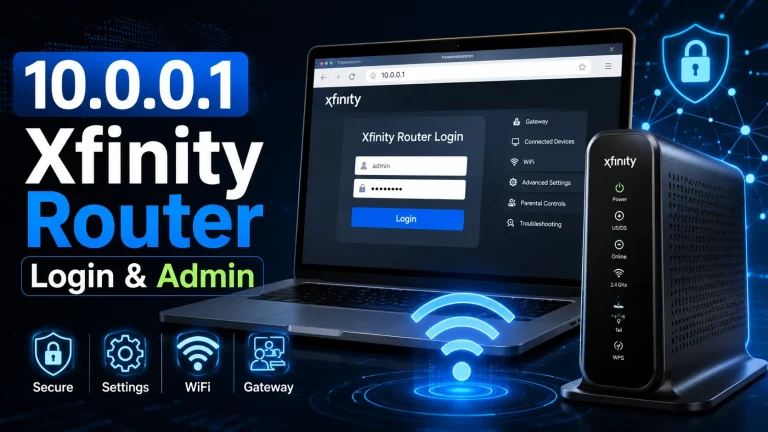
10.0.0.1
Alternative gateway address- IP Address 10.0.0.1
- Username admin
- Password password
192.168.1.254
Used by selected Cisco models- IP Address 192.168.1.254
- Username admin
- Password 1PTV-ADM1N
192.168.0.1
Another common local address- IP Address 192.168.0.1
- Username admin
- Password admin
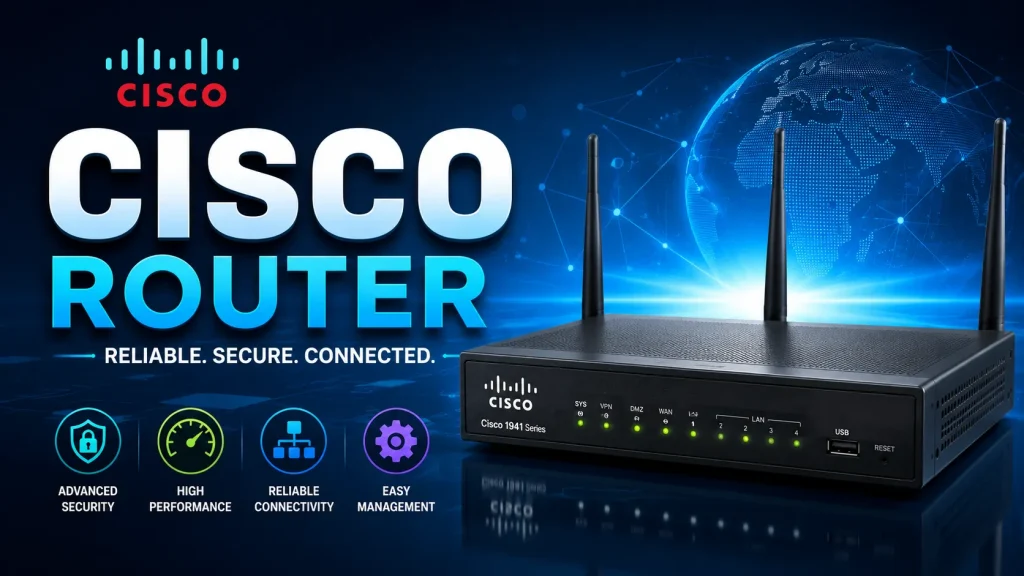
What Is a Cisco Router?
A Cisco router is a networking device that connects your devices to the internet and helps manage your home or office network. By logging in to the Cisco router admin panel, you can change your WiFi name, update the WiFi password, improve security settings, manage connected devices, and configure other network options. Cisco routers are known for providing a stable, secure, and reliable internet connection.
What Can You Do From the Router’s Login Page?
Once you get into your router’s admin panel, you can:
Before You Start: What You’ll Need
Getting into your Cisco router login page doesn’t take much. Just make sure you have:
A quick tip: if you’re setting up your router for the first time or making major changes, it’s better to connect using an Ethernet cable instead of WiFi. It’s more stable and won’t disconnect if you accidentally change your wireless settings mid-way.
How to Log In to a Cisco Router
Follow the simple steps below to log in to your Cisco router and access the admin panel, where you can manage WiFi, security, and network settings.
Connect to the Cisco Router Network
Your device must be connected to the router you want to manage.
You can connect in either of the following ways:
Make sure you connect the cable to a LAN port rather than the WAN or Internet port.
You do not always need an active internet connection to open a router’s local admin page. However, your device must be connected directly to the router’s network.
Open a Web Browser
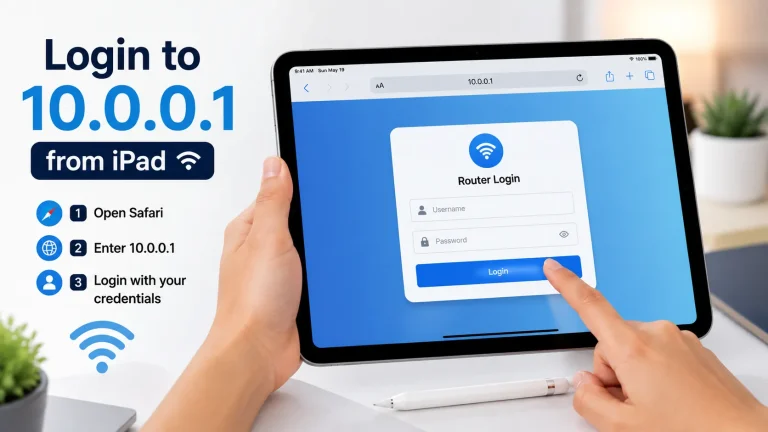
Open any modern web browser, such as Chrome, Edge, Firefox, or Safari. Click the address bar at the top of the browser and enter your router’s IP address. Make sure you type it into the address bar, not the search box.
Enter the Cisco Router IP Address
Type your Cisco router’s IP address, such as http://192.168.1.1, into your browser’s address bar and press Enter. If the IP address is correct, the Cisco login page will appear. If it doesn’t open, don’t reset the router right away. Instead, check your router’s actual default gateway, as explained later in this guide.
Enter the Admin Username and Password
Enter the administrator details shown on your router label or supplied in its manual.
Possible combinations may include:
ciscoandciscoadminandadminadminandpassword
Passwords are case-sensitive. For example, Cisco and cisco are treated as different passwords.
The WiFi password and router administrator password may also be different. The WiFi password connects a device to the network, while the administrator password protects the router settings.
Open the Cisco Admin Dashboard
Enter the correct username and password, then click Log In. The Cisco router dashboard will open, where you can manage WiFi, security, connected devices, and other network settings. The interface may vary by model.
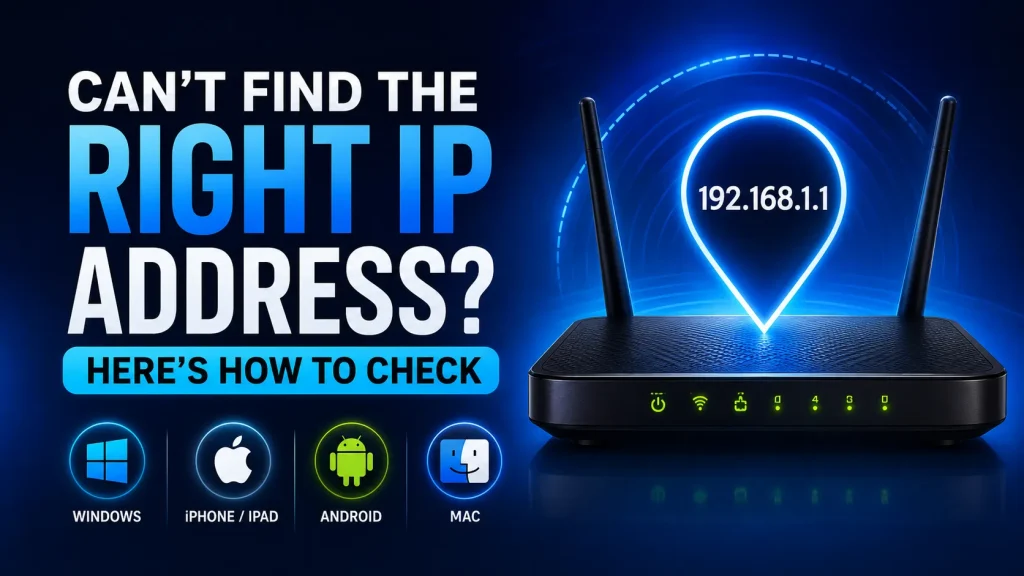
Can’t Find the Right IP Address? Here’s How to Check
Sometimes 192.168.1.1 just doesn’t work, because your internet provider or a previous user may have changed it. Instead of guessing random numbers, the easiest way is to check your device’s “Default Gateway” address.
Whatever number you find there, type that into your browser instead.
What If the Login Page Won’t Open?
This happens more often than you’d think, and usually it’s something small. Try these fixes one at a time:
What If Your Username or Password Isn’t Working?
If the page opens but your login keeps getting rejected, here’s what to check:
Resetting Your Cisco Router
A factory reset should always be your last option, because it wipes out everything — your WiFi name, password, admin login, and any custom settings you’ve made.
If you really need to reset it, here’s the general process:
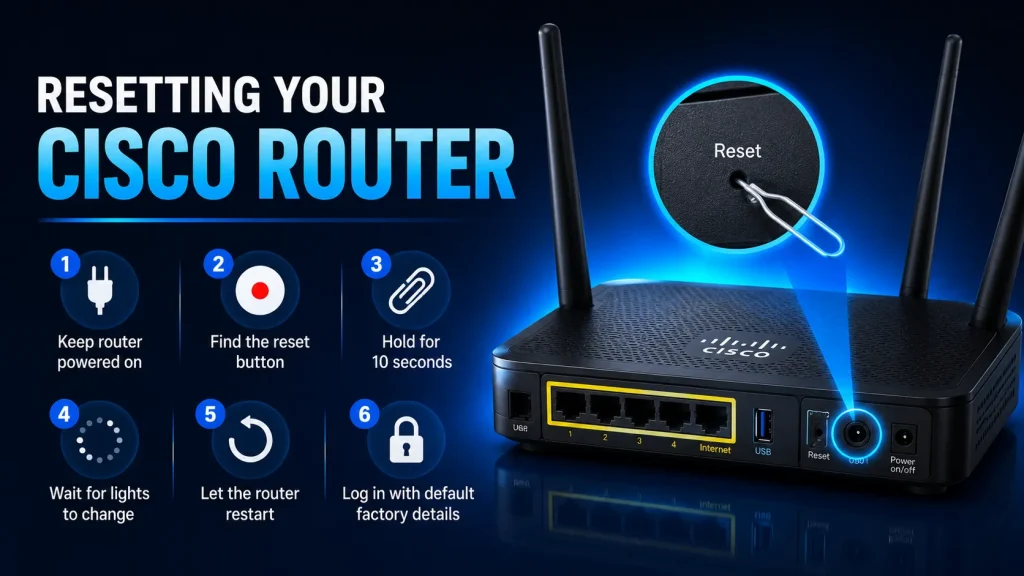
Just remember — a reboot (simply turning the router off and on) is not the same as a factory reset. A reboot keeps your settings; a reset erases them. Always try a simple reboot first.
A Few Security Tips Worth Following
Once you’re in and everything’s working, it’s worth taking a few minutes to tighten up your network’s security:
Final Thoughts
Reaching your Cisco router login page really isn’t complicated once you know the basic steps — connect to the network, open your browser, enter the right IP address, and log in with the correct username and password. If something doesn’t work right away, it’s usually just a matter of finding the correct IP through your default gateway or double-checking your credentials.
Take a few minutes after logging in to update your passwords and review your network settings. It’s a small step that goes a long way in keeping your home or office network safe and running smoothly.